
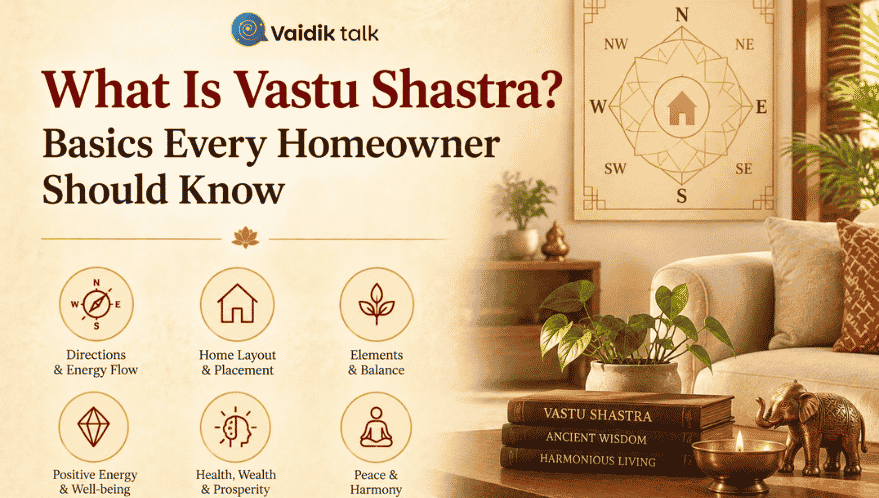
Many homeowners ask, what is Vastu Shastra, before buying a plot, building a house or reorganising their living space. Vastu Shastra is a traditional Indian system of architectural thought that considers site selection, orientation, spatial arrangement, proportions and the relationship between a building and its surroundings.
Vastu Shastra has long been part of architectural and cultural practice in the Indian subcontinent. A paper presented through the Architectural Science Association describes Vastu Shastra as a traditional Indian architectural practice. For many families, it offers a faith-based framework for creating a peaceful, orderly and meaningful home.
This article explains what is Vastu Shastra, the most common vastu basics for home, and ways homeowners can apply these ideas without fear. Vastu can guide personal preferences, but a home should also meet safety codes, accessibility needs, structural requirements, budget limits and the advice of qualified architects and engineers.
What Is Vastu Shastra?
The term Vastu refers broadly to a dwelling place or built environment, while Shastra means a body of knowledge or teaching. Together, Vastu Shastra is often understood as a traditional Indian discipline related to architecture, planning, geometry and spatial arrangement.
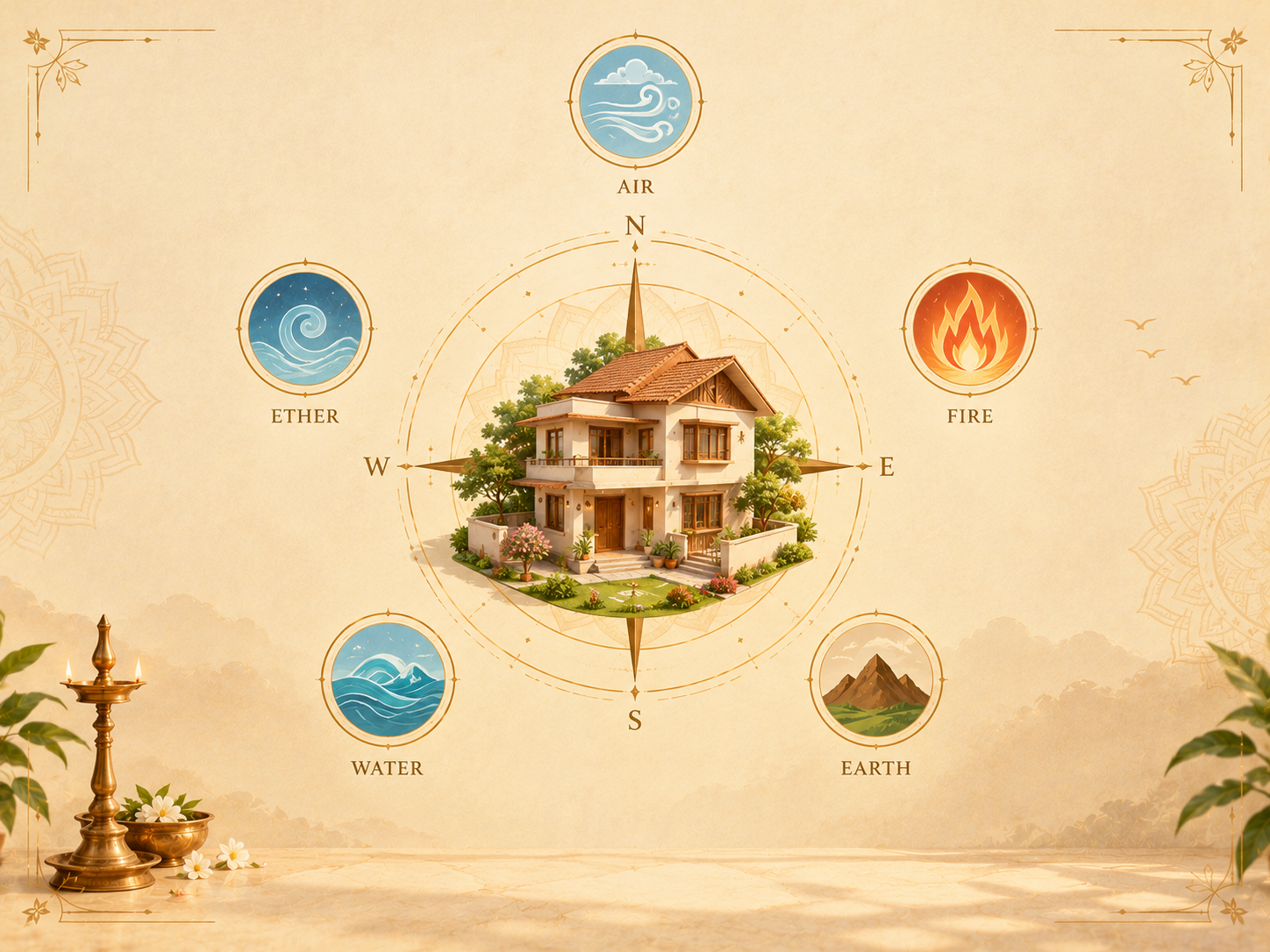
Traditional Vastu texts discuss subjects such as land selection, orientation, measurements, room placement, settlement planning and temple design. Academic research identifies Vastu Shastra as an ancient architectural planning and design system that developed on the Indian subcontinent and influenced parts of Southeast Asia. People should definitely explore Malaysia Architectural Journal’s overview of Vastu Shastra.
The aim of Vastu is commonly described as creating harmony between people, built spaces and natural forces. Its concepts are linked with direction, sunlight, airflow, land contours, water sources and the five elements. These ideas may have symbolic, cultural and practical meanings depending on the family and region.
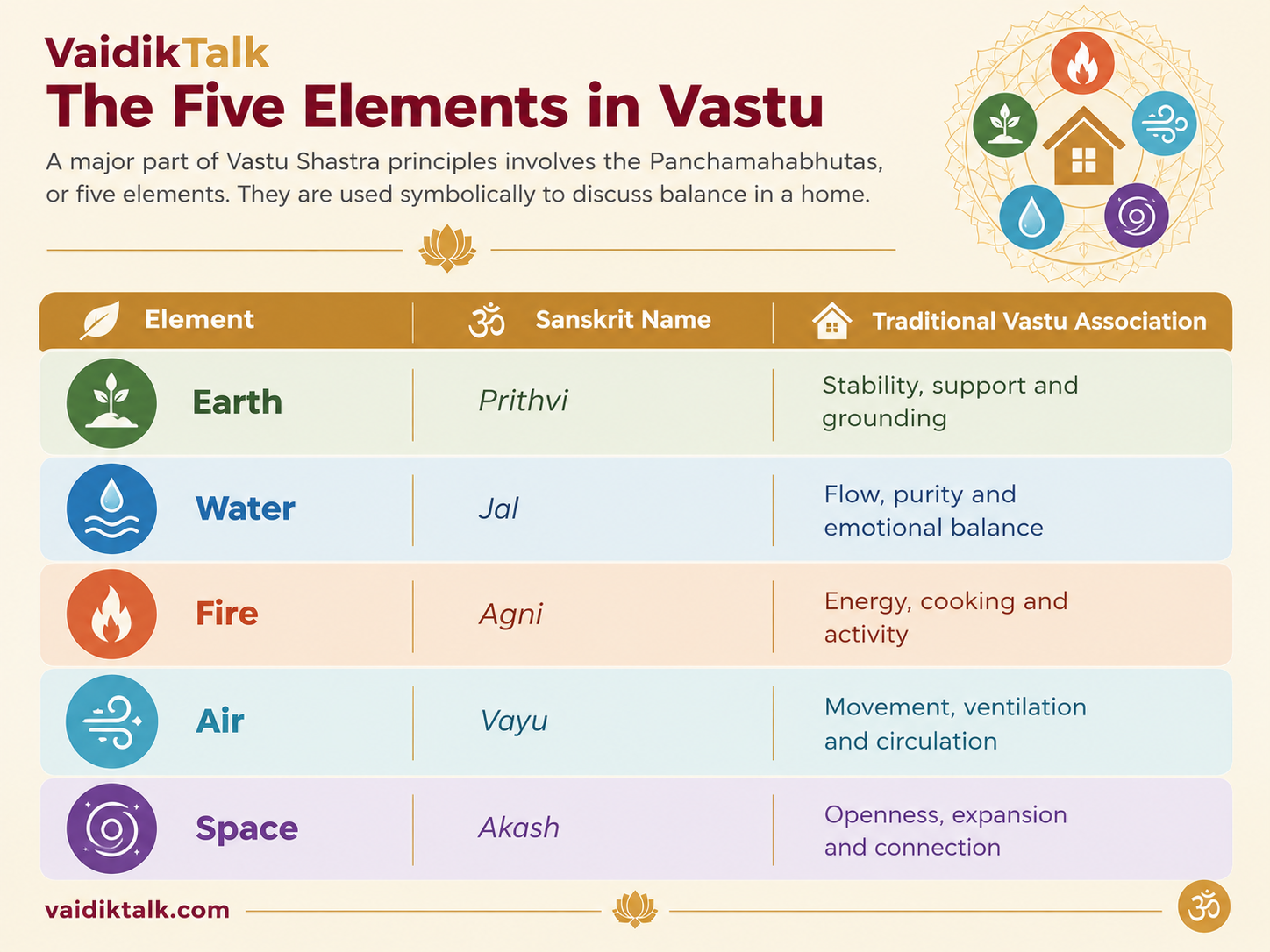
The Five Elements in Vastu
In a modern home, these themes can be applied in practical ways. Good ventilation supports indoor comfort. Safe electrical planning supports the fire element. Clear pathways and uncluttered rooms can make movement easier. Natural light can make rooms feel more welcoming.
A Vastu-based choice should complement, rather than override, professional building guidance. Electrical systems should follow local regulations, water systems should be installed by qualified professionals, and structural changes should be approved by an engineer or architect.
Why Directions Matter in Vastu
Direction is central to many vastu shastra principles. Traditional practice associates each direction with symbolic qualities and suggests suitable areas for particular home functions.
The east is often linked with the rising Sun and morning light. The north is traditionally associated with opportunity and movement. The south and west are often viewed as stronger, heavier zones within a home. Northeast is widely considered suitable for calm, prayer and water-related functions, while southeast is linked with fire and cooking.
These ideas may also overlap with practical design considerations. In many climates, a home’s orientation affects daylight, heat gain, ventilation and energy use. The US Department of Energy explains how building orientation and window placement can affect passive solar design. Homeowners should adapt any directional preference to local climate, plot conditions and professional design advice.
Vastu Basics for Home Planning
The following vastu basics for home are commonly considered during home planning. They are general guidelines, not strict rules that decide a family’s future.
Entrance Placement
The main entrance is often viewed as a key part of a home because it affects movement, security and first impressions. In many Vastu traditions, north, east and northeast entrances are preferred, depending on the plot layout.
From a practical viewpoint, an entrance should be safe, well-lit, weather-protected and easy to access. A clear walkway, working door lock and adequate exterior lighting should receive priority over symbolic placement.
Living Room Placement
The living room is often recommended in the north, east or northeast portions of a house. These areas are traditionally linked with openness, social interaction and welcoming energy.
A homeowner can apply this advice simply by keeping the common area bright, comfortable and easy to move through. Seating should support conversation, and exits should remain unobstructed. Natural light, safe wiring and appropriate ventilation matter more than decorative remedies.
Kitchen Placement
The southeast is traditionally linked with Agni, the fire element, so it is commonly suggested as a kitchen location. Northwest is sometimes used as an alternative when southeast placement is not possible.
Kitchen safety should guide every plan. A gas stove needs suitable ventilation, electrical outlets require safe installation, and combustible materials should remain away from open flames. The National Fire Protection Association’s kitchen safety guidance notes that cooking is a leading cause of home fires, making attentive cooking and safe equipment essential.
Bedroom Placement
The southwest is often recommended for the primary bedroom because it is traditionally associated with stability. Bedrooms for children or guests may be placed in other areas based on a home’s practical layout.
A restful bedroom benefits from a supportive mattress, suitable temperature, low light at night and reduced screen use before bed. Vastu choices can be meaningful additions, but good sleep habits and healthcare guidance matter for ongoing sleep difficulties.
Prayer or Meditation Space
Many families choose the northeast area for a pooja room, meditation corner or quiet space. This direction is traditionally associated with calm reflection and spiritual practice.
A prayer space does not require a large room. A clean shelf, a diya area designed for fire safety or a small meditation corner can serve the purpose. Readers can explore Rudraksha, its origin and traditional spiritual significance for ideas about devotional items used in personal prayer.
Vastu Shastra Principles for Existing Homes
A homeowner does not need to rebuild a house to follow Vastu-inspired habits. Many changes can focus on cleanliness, comfort, safety and intentional use of space.
Keep Shared Areas Open
Vastu often values free movement and a sense of openness. Homeowners can apply this by keeping entrances, hallways and common areas clear of unnecessary objects. This can also reduce tripping risks and make cleaning easier.
Use Light and Ventilation Wisely
Open windows when weather and air quality allow. Use exhaust fans in kitchens and bathrooms. Keep balconies and windows unobstructed where possible. These changes fit both vastu basics for home and practical comfort.
The World Health Organization reports that household air pollution remains a major health concern globally, particularly where cooking fuels and ventilation are inadequate. WHO’s household air pollution factsheet estimates that household air pollution caused 2.9 million premature deaths in 2021. Home ventilation and cleaner cooking practices are therefore health priorities, not just design preferences.
Choose Calm Colours and Order
Soft, balanced colours may help a home feel more restful. Families can choose colours based on personal taste, room use and available light. Light shades can make smaller rooms feel more open, while warm tones may create a cosy effect.
Keeping frequently used areas organised can support daily routines. This does not require perfection. A practical approach may include regular cleaning, labelled storage and a dedicated place for keys, bills and essentials.
The Vastu Purusha Mandala
The Vastu Purusha Mandala is a traditional geometric diagram used in Vastu planning. It divides space into a grid and assigns symbolic importance to directions and zones. The mandala is particularly relevant in formal planning for temples, larger buildings and traditional layouts.
A research paper on contemporary Vastu practice identifies five broad foundations: site examination, directional orientation, spatial planning through the Vastu Purusha Mandala, measurement and proportion. People should also consider studying Vastu principles in modern architectural practice.
For a homeowner, the practical lesson is simple. Before selecting rooms, consider the plot shape, sun path, drainage, local climate, privacy, family needs and safety. A well-designed house balances tradition with real-world living requirements.
Vastu and Personal Belief
Vastu is meaningful to many households as a cultural and spiritual practice. Yet it is important to avoid fear-based decisions. A home with an imperfect layout is not a sign that a family will face hardship. Homes become supportive through care, relationships, financial planning, safe construction and thoughtful daily habits.
A Vastu consultation can help a family explore preferences and traditional recommendations. It should not pressure anyone into expensive demolition, unsafe renovation or unnecessary purchases. Major structural work should be reviewed by licensed construction professionals.
For readers interested in related systems, learn about Vedic astrology and Jyotish that explains the foundations of chart-based astrology. You may also like to learn about numerology, which introduces a separate symbolic tradition based on numbers.
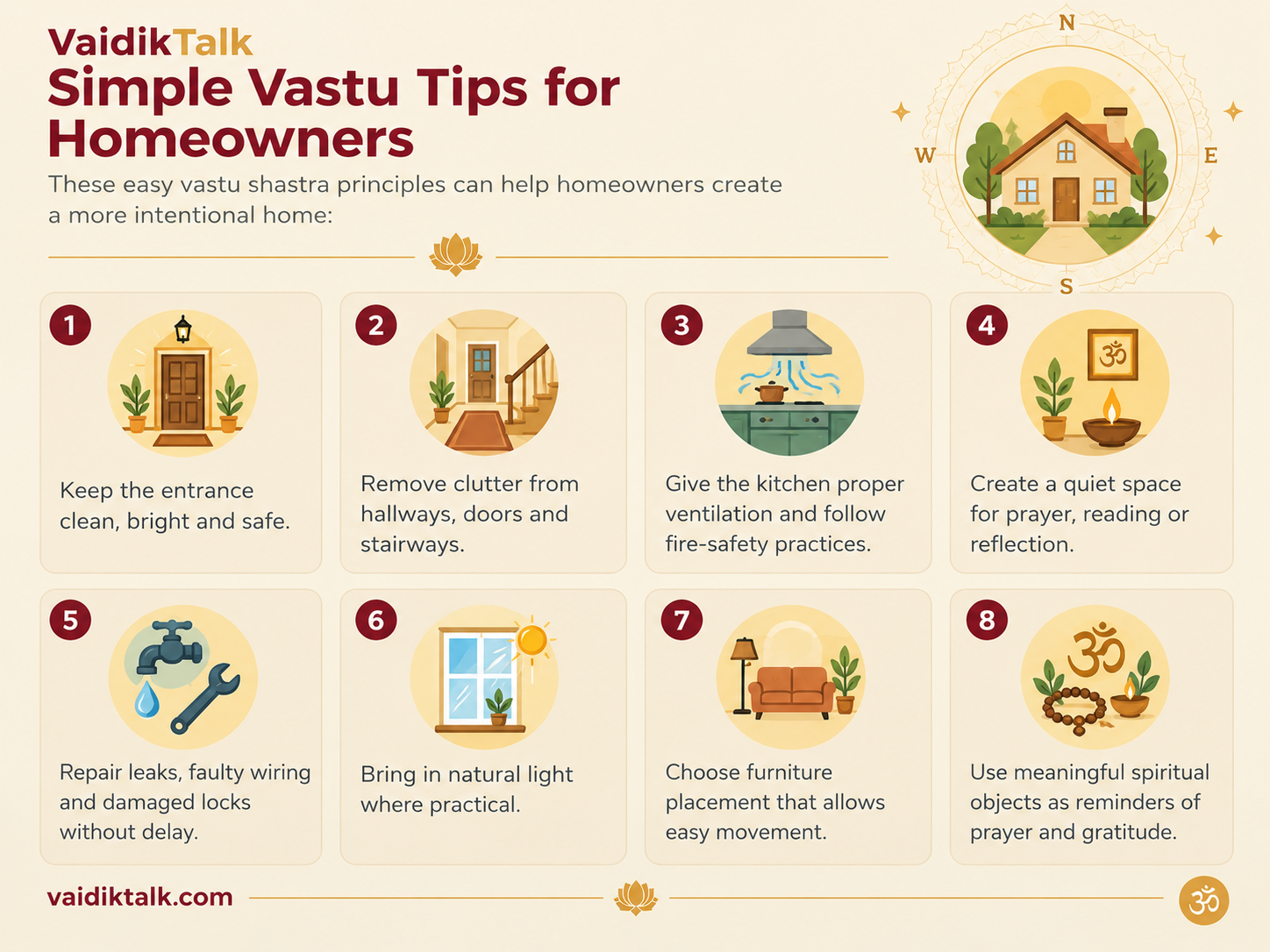
Simple Vastu Tips for Homeowners
Those who want devotional items for a home prayer area can browse Rudraksha and spiritual products at VaidikTalk Store. Buyers should select products based on clear descriptions, personal faith and their budget.
Seek Vastu Guidance for Your Home
Understanding what is Vastu Shastra begins with recognising it as a traditional approach to home planning, direction, proportions and harmony with the environment. The most helpful vastu basics for home combine faith-based preferences with comfort, safety, accessibility and sound architectural planning.
For personalized Vastu guidance, home direction questions or spiritual consultations, readers can contact VaidikTalk. VaidikTalk connects users with Vastu and astrology practitioners for personal guidance.
Frequently Asked Questions (FAQs)
What is Vastu Shastra?
Vastu Shastra is a traditional Indian system of architecture and spatial planning based on direction, proportion, layout and environmental harmony.
Can Vastu be applied in an existing home?
Yes, homeowners can use simple changes such as better lighting, decluttering, ventilation and a dedicated prayer space.
Which direction is best for a kitchen in Vastu?
Southeast is traditionally preferred for a kitchen, with northwest often considered an alternative.
Is the northeast good for a pooja room?
Many Vastu traditions recommend northeast for prayer or meditation because it is associated with calmness and reflection.
Does a Vastu defect guarantee negative results?
No, a home layout does not guarantee life outcomes, and practical safety and wellbeing should come first.